

The Future of Fashion: How Smart Apparel Manufacturing is Revolutionizing the Industry
2026-07-01
The global apparel sector is undergoing a historic structural transformation. For decades, the industry relied heavily on low-cost labor, decentralized sourcing networks, and prolonged multi-month production cycles. However, shifting market dynamics—including rapid shifts in consumer demand, strict international sustainability mandates, and volatile logistics networks—have made old manual production methods increasingly unsustainable.

Maximize Efficiency: Why Leading Brands Partner with Springtex as a One-stop Clothing Manufacturer
2026-06-25
In the hyper-competitive global fashion market, apparel brands face a relentless balancing act. The modern supply chain demands lightning-fast speed to market, uncompromising quality control, and strict compliance with global sustainability initiatives.
Scale Faster: How a One-stop Clothing Manufacturer Eliminates Production Bottlenecks
2026-06-23
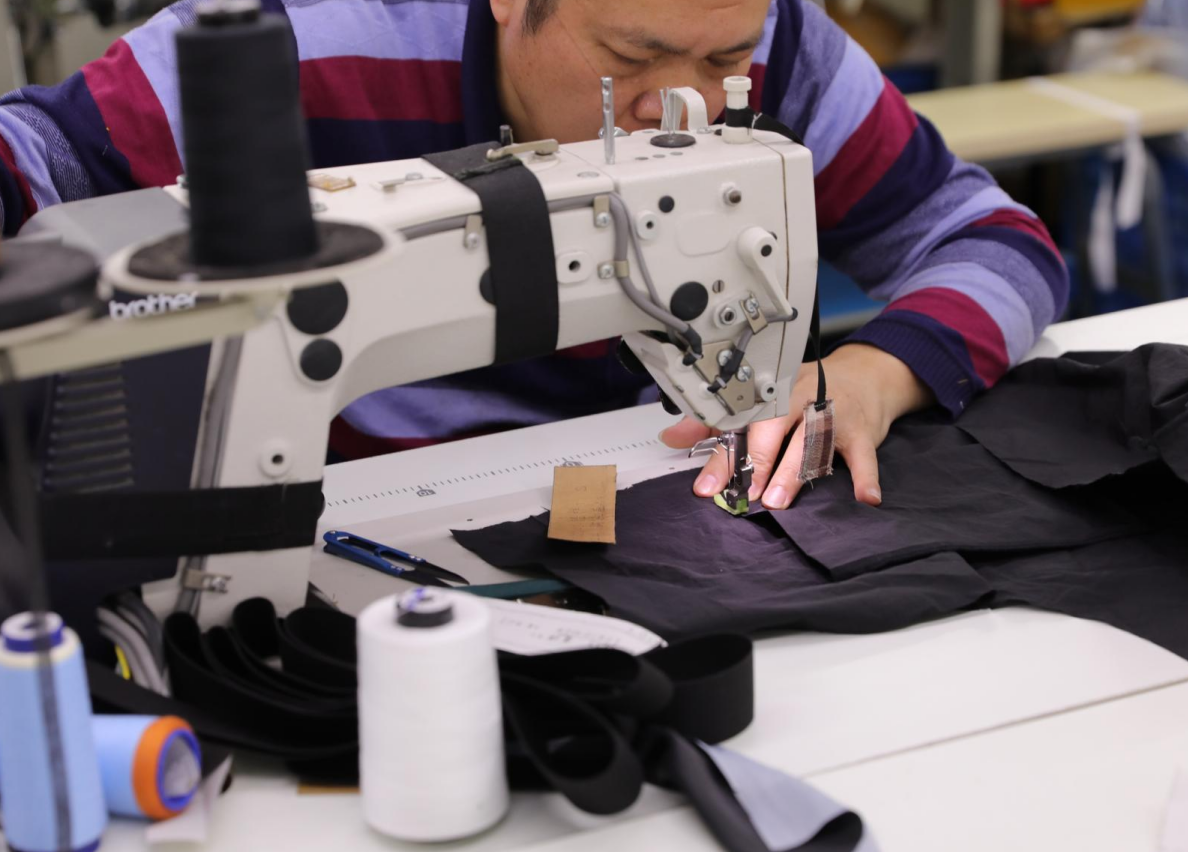
For expanding fashion labels, the transition from a niche boutique to a major market player is rarely halted by a lack of creative ideas. Instead, growth is almost always restricted by manufacturing limitations. As order volumes increase, traditional supply chains frequently fracture under the pressure. Managing a disconnected network of fabric suppliers, grading pattern makers, independent cut-and-sew workshops, and third-party logistics firms quickly leads to compounding operational delays.

From Design to Delivery: Streamlining Your Supply Chain with a One-stop Clothing Manufacturer
2026-06-19
In the high-stakes world of fashion retail, operational efficiency is just as critical as creative design. For modern labels, managing an unstable or overly complicated supply chain can quickly lead to missed trends, late inventory deliveries, and unexpected cost overruns. The traditional manufacturing route—which involves juggling separate fabric mills, pattern makers, grading studios, and assembly workshops—frequently causes expensive communication breakdowns and production bottlenecks.