Cost-Efficiency Without Compromise: Eliminating Middleman Markups in Premium Vertical Manufacturing
Cost-Efficiency Without Compromise: Eliminating Middleman Markups in Premium Vertical Manufacturing
In today’s highly competitive fashion industry, brands are under increasing pressure to deliver high-quality products while maintaining cost efficiency. For companies seeking both excellence and value, Premium Vertical Manufacturing has become a strategic solution. By partnering directly with a Clothing Manufacturer that controls the entire production process, brands can eliminate middleman markups without sacrificing quality, speed, or innovation.
Understanding the Hidden Costs of Traditional Supply Chains
Traditional apparel supply chains often involve multiple intermediaries—agents, sourcing companies, fabric suppliers, subcontracted factories, and logistics providers. While each plays a role, they also add costs at every stage. According to industry insights from McKinsey & Company
(https://www.mckinsey.com/industries/retail/our-insights/state-of-fashion), fragmented supply chains can significantly reduce transparency and inflate production costs.
These hidden expenses are not always visible upfront, but they ultimately impact pricing, margins, and competitiveness. More importantly, they create communication gaps that can lead to production delays, quality inconsistencies, and limited flexibility.
Premium-Vertical-Manufacturing
What is Premium Vertical Manufacturing?
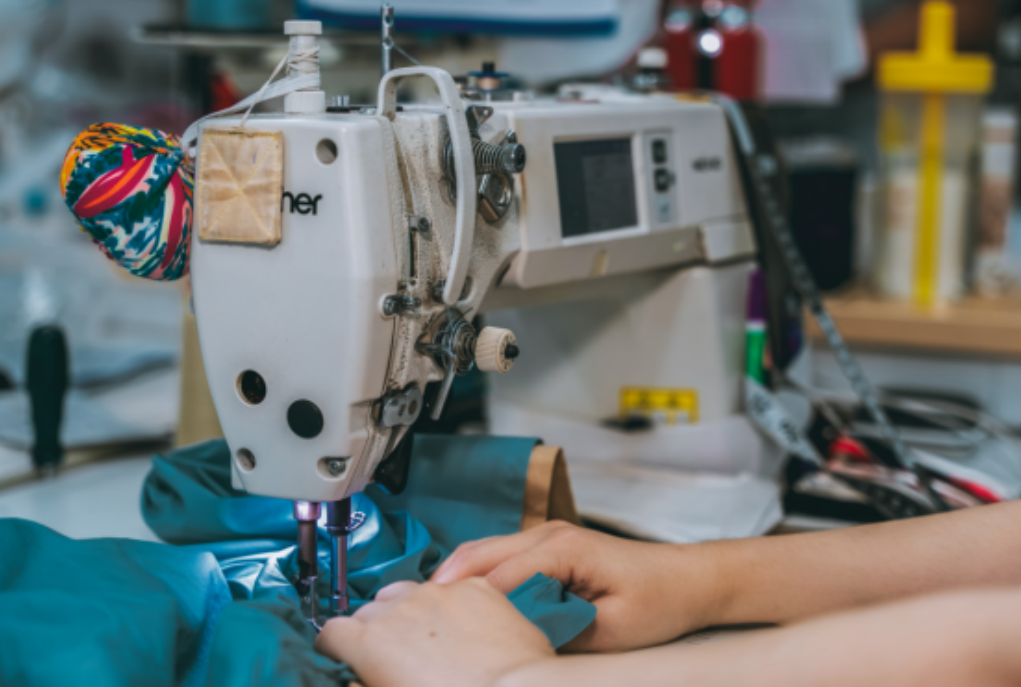
Premium Vertical Manufacturing refers to a fully integrated production model where a single clothing manufacturer manages every stage—from fabric development and sourcing to sampling, cutting, sewing, finishing, and logistics. This approach minimizes external dependencies and centralizes control.
Organizations like the World Trade Organization emphasize the importance of supply chain integration for improving efficiency and reducing trade-related costs
(https://www.wto.org/english/res_e/publications_e/wtr21_e.htm).
For fashion brands, this means working with one trusted partner instead of coordinating across multiple vendors.
Eliminating Middleman Markups
One of the most immediate benefits of vertical manufacturing is cost reduction through the elimination of intermediaries. Without agents or third-party markups, brands gain direct access to factory pricing.
This cost efficiency does not require compromising on quality. Instead, it is achieved by:
· Streamlining communication channels
· Reducing administrative overhead
· Avoiding duplicated margins across suppliers
· Improving forecasting and production planning
A vertically integrated clothing manufacturer can offer more competitive pricing while maintaining premium standards, because costs are optimized at the structural level—not through compromises in materials or craftsmanship.
Maintaining Premium Quality Standards
A common misconception is that lower costs result in lower quality. In vertical manufacturing, the opposite is often true.
Because all processes are managed under one system, manufacturers can enforce strict quality control protocols at every stage. From fabric inspection to final garment finishing, consistency is maintained throughout the production lifecycle.
The International Organization for Standardization (ISO) highlights how integrated quality management systems improve product consistency and reduce defects (https://www.iso.org/standards.html).
For fashion brands targeting high-end markets, this level of control is critical. It ensures that every piece meets brand expectations and customer standards.
Speed and Flexibility: A Competitive Advantage
In addition to cost savings, Premium Vertical Manufacturing significantly improves speed to market. Without the delays caused by coordinating multiple vendors, production timelines become shorter and more predictable.
This agility is essential in an era defined by fast-changing consumer preferences and shorter fashion cycles. According to Deloitte’s retail industry outlook
(https://www2.deloitte.com/global/en/pages/consumer-business/articles/retail-distribution-industry-outlook.html), brands that can quickly respond to market trends gain a substantial competitive edge.
Vertical manufacturers can:
· Accelerate sampling and prototyping
· Adjust production volumes quickly
· Implement design changes with minimal disruption
· Reduce lead times across the supply chain
Transparency and Sustainability
Modern consumers and brands alike demand greater transparency in how products are made. Vertical manufacturing supports this by providing full visibility into sourcing, labor practices, and environmental impact.
The United Nations Environment Programme (UNEP) has emphasized the importance of sustainable production in the fashion industry
(https://www.unep.org/resources/report/sustainability-and-circularity-textile-value-chain).
With fewer intermediaries, it becomes easier to track materials, ensure ethical labor standards, and implement sustainable practices such as:
· Responsible fabric sourcing
· Waste reduction in production
· Energy-efficient manufacturing processes
This not only strengthens brand reputation but also aligns with global sustainability goals.
Stronger Collaboration and Innovation
Working directly with a vertically integrated clothing manufacturer fosters closer collaboration. Instead of communicating through layers of intermediaries, brands can engage directly with technical teams, designers, and production managers.
This leads to:
· Faster problem-solving
· More accurate product development
· Greater customization capabilities
· Enhanced innovation in fabrics and construction
Over time, this partnership approach builds trust and enables continuous improvement, which is essential for long-term success in the fashion industry.
Why It Matters for Modern Fashion Brands
As the global apparel market becomes more complex, brands must find ways to balance cost, quality, speed, and sustainability. Premium Vertical Manufacturing offers a holistic solution by addressing all these factors simultaneously.
By eliminating middleman markups, brands can:
· Improve profit margins
· Offer competitive pricing to customers
· Maintain high-quality standards
· Increase operational efficiency
More importantly, they gain a strategic partner capable of supporting growth, innovation, and market responsiveness.
Conclusion
In an industry where every decision impacts both brand perception and profitability, choosing the right production model is critical. Premium Vertical Manufacturing empowers brands to achieve cost-efficiency without compromise by removing unnecessary intermediaries and optimizing the entire supply chain.
For companies seeking a reliable Clothing Manufacturer, this approach delivers not only financial benefits but also superior quality, speed, and transparency. As the fashion landscape continues to evolve, vertical integration is no longer just an advantage—it is becoming a necessity.
References
1. McKinsey & Company – State of Fashion Report
https://www.mckinsey.com/industries/retail/our-insights/state-of-fashion
2. World Trade Organization – World Trade Report
https://www.wto.org/english/res_e/publications_e/wtr21_e.htm
3. International Organization for Standardization (ISO)
https://www.iso.org/standards.html
4. Deloitte – Retail Industry Outlook
https://www2.deloitte.com/global/en/pages/consumer-business/articles/retail-distribution-industry-outlook.html
5. United Nations Environment Programme (UNEP) – Textile Value Chain Sustainability
https://www.unep.org/resources/report/sustainability-and-circularity-textile-value-chain