
The Architecture of Intent – Exploring ODM, High-End Fashion, and Sustainable Textile Integration
The convergence of Original Design Manufacturing (ODM), high-end craftsmanship, and sustainable textiles marks a critical turning point in the apparel industry. This model moves beyond simple production outsourcing, strategically positioning manufacturers as innovation partners to embed ethical and environmental principles directly into the design process, ensuring both luxury quality and planetary stewardship are maintained.
I. The Design Imperative: How ODM Accelerates Sustainable Quality
Original Design Manufacturing (ODM) shifts the responsibility of both design and production to the manufacturing partner. For high-end fashion, this is not a compromise on quality but a strategic advantage. It allows brands to leverage the manufacturer's specialized expertise and ready-made innovative solutions, especially concerning materials science.

Strategic Value of ODM
The Strategic Value of ODM
In the traditional high-end OEM (Original Equipment Manufacturer) model, the brand holds all design control, which can slow down the adoption of new, complex sustainable materials. The ODM model, conversely, is built on speed, cost-efficiency, and access to expertise. A quality-focused ODM partner can:
ØReduce Waste: By leveraging advanced production systems, ODMs can cut physical garment samples by up to 70%, directly reducing textile waste at the earliest stage of product development.
ØEnsure Consistency: By consolidating design and production under one roof, the ODM ensures that complex materials like recycled nylon or Tencel are handled and constructed according to specific high-end quality standards.
ØDrive Innovation: The manufacturer is incentivized to invest in new, sustainable processes, such as dope-dyeing (which significantly reduces water and chemical usage), and offer these ready-to-adopt solutions to multiple brands, democratizing access to eco-friendly production methods.
II. Sustainable Textiles: The New Mark of High-End Luxury
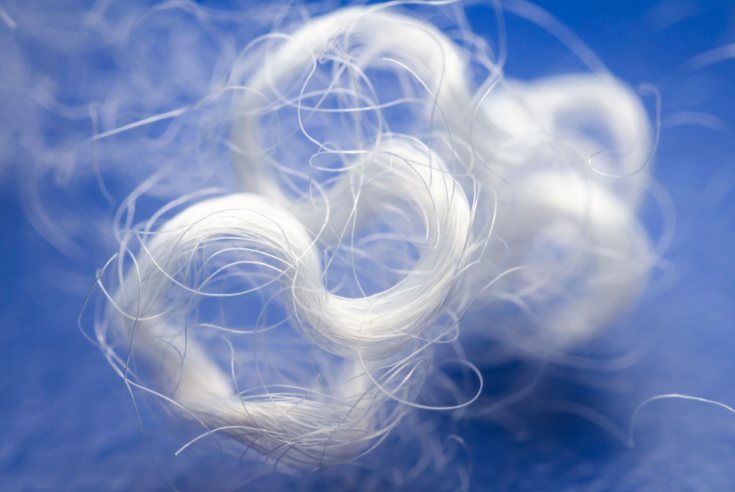
For high-end fashion, sustainability is quickly moving from a niche concern to a non-negotiable standard of quality. The most significant environmental impact (often quoted as over 80%) is determined at the design and material choice stage. The industry is moving away from resource-intensive staples like traditional cotton towards performance-driven and regeneratively sourced alternatives.
Sustainable Textiles
Key Material Shifts:
ØRecycled Fibers: Materials like recycled polyester (rPET), made from post-consumer plastic waste, require less energy and water than their virgin counterparts. This offers both a performance benefit (durability) and a powerful waste-reduction story, exemplified by brands integrating materials like rPET into outerwear and accessories.
ØRegenerated Cellulose: Fibers such as Tencel (Lyocell), derived from sustainably managed wood pulp, are celebrated for their soft hand-feel and closed-loop production, where up to 99% of solvents are reused. This combines a luxurious feel with a drastically reduced chemical footprint.
ØOrganic & Regenerative Natural Fibers: Organic cotton, grown without synthetic pesticides or fertilizers, and regenerative cotton/wool, which aims to actively improve soil health, are prioritized for their superior quality and minimal environmental impact. The demand for these materials is a key focus area for organizations like the United Nations Alliance for Sustainable Fashion.
III. Authority, Verification, and the Need for Transparency
The challenge for any high-end product claiming sustainability lies in transparency. Since the ODM model often means the brand is less involved in the day-to-day manufacturing, third-party certification becomes paramount to guarantee quality and ethical practices. These standards ensure that claims are verifiable and the product meets rigorous social and environmental criteria.
ØGlobal Organic Textile Standard (GOTS): Ensures at least 70% organic fibers and verifies environmental and social standards across the entire supply chain, from the field to the finished garment.
ØGlobal Recycled Standard (GRS): Verifies the actual recycled content of the materials used and ensures responsible social, environmental, and chemical practices in production.
Øbluesign®: Focused on the chemistry of production, this standard eliminates harmful substances from the outset, ensuring textiles are manufactured with minimal impact on people and the planet.
ØCradle to Cradle Certified™: A holistic standard that assesses a product's material health, recyclability, clean air/climate protection, water stewardship, and social fairness, driving product design toward a fully circular future.
Conclusion and References
The future of high-end fashion is being built by sophisticated ODM partnerships that make sustainable textile innovation a core competency rather than an afterthought. By integrating ethical design, advanced manufacturing efficiency, and transparent third-party verification, the industry can deliver truly luxurious products that honor both craftsmanship and ecological responsibility.
References for Further Reading:
RMCAD. "Sustainable Fashion Materials: From Recycled Fabrics to Organic Textiles".https://www.rmcad.edu/blog/sustainable-fashion-materials-from-recycled-fabrics-to-organic-textiles/
United Nations Alliance for Sustainable Fashion.https://unfashionalliance.org/
European Parliament. "Fast fashion: EU laws for sustainable textile consumption.https://www.europarl.europa.eu/topics/en/article/20201208STO93327/fast-fashion-eu-laws-for-sustainable-textile-consumption
McKinsey & Company. "Style that's sustainable: A new fast-fashion formula.https://www.mckinsey.com/capabilities/sustainability/our-insights/style-thats-sustainable-a-new-fast-fashion-formula/
Keywords: #ODM apparel, #High-end fashion, #Sustainable textile