Custom Fabric Printing: Your Comprehensive Guide to Manufacturing and Scaling
In the modern apparel industry, standing out requires more than just unique designs—it demands precision, quality, and a rapid path to market. Custom fabric printing, supported by strategic partnerships with an experienced apparel manufacturer and leveraging the efficiencies of ODM manufacturing, is the trifecta for successful brand scaling. This article will provide the authoritative insights you need to navigate these key elements of the supply chain.
The Power of Precision: Understanding Custom Fabric Printing
Custom fabric printing transforms raw material into branded textiles, offering unparalleled control over pattern, color, and scale. Choosing the right method is critical, as it directly impacts cost, fabric suitability, and final product quality.
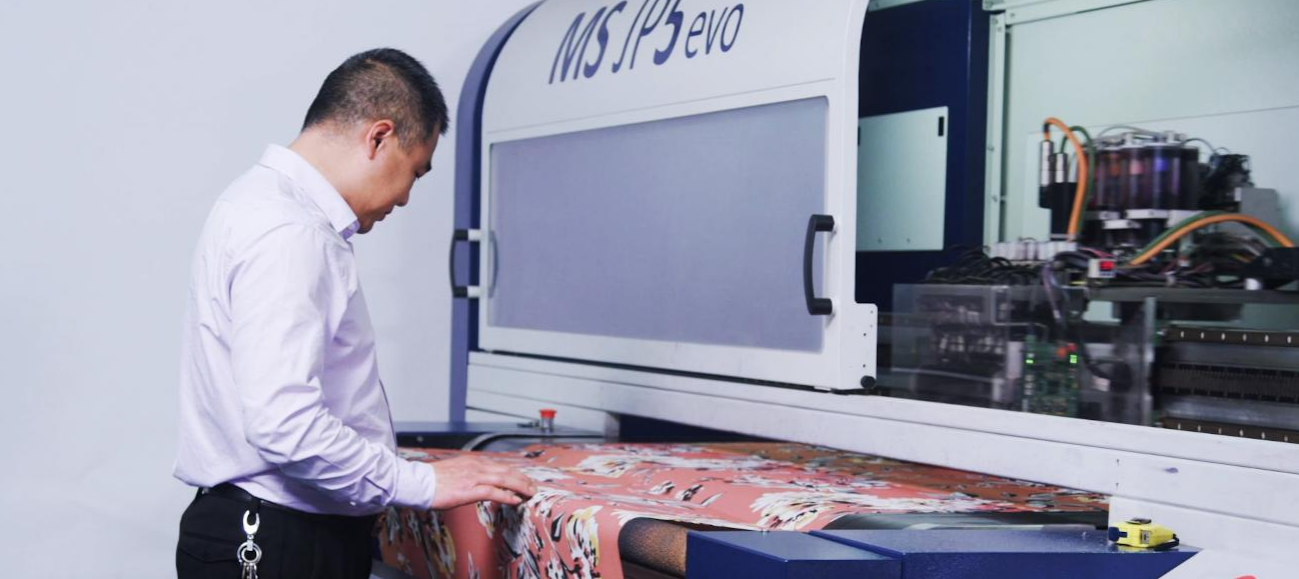
Springtex use Italian MS 8-color high speed digital printing machine for digital Printing
Comparing Core Printing Technologies
Custom Fabric Printing Methods: At a Glance
1. Digital Printing (DTG / Sublimation) | 2. Screen Printing | 3. Rotary/Sublimation Printing |
Uses specialized inkjet printers to apply designs directly onto fabric. Ideal for complex, multi-color patterns and small batches. | A traditional method where ink is pushed through a stenciled mesh screen. Ideal for solid colors and large, bulk orders where cost efficiency is paramount. | Sublimation uses heat to transfer dye onto synthetics, creating a permanent, vibrant bond. Rotary is for large-scale production runs with repetitive patterns. |
Best For Complex, photographic designs & low volume | Best For Simple, few-color designs & high volume | Best For All-over prints, performance wear, high volume |
Fabric Types Polyester (Sublimation), Cotton/Naturals (DTG) | Fabric Types Widely compatible (cotton, blends, synthetics) | Fabric Types Polyester and synthetic blendsa |
Turnaround Fastest time-to-market | Turnaround Slower due to screen setup | Turnaround Moderate to Fast |
Cost Structure Higher per-unit cost, low setup cost | Cost Structure Lower per-unit cost, high initial setup fee | Cost Structure Cost-effective for very large volumes |
The Growth Accelerator: Understanding ODM Manufacturing
An ODM (Original Design Manufacturer) provides a comprehensive, turnkey solution where the manufacturer handles the entire design and production process, offering pre-designed, market-ready products that you can customize and brand. This approach is a game-changer for new or expanding brands looking for speed and cost efficiency.
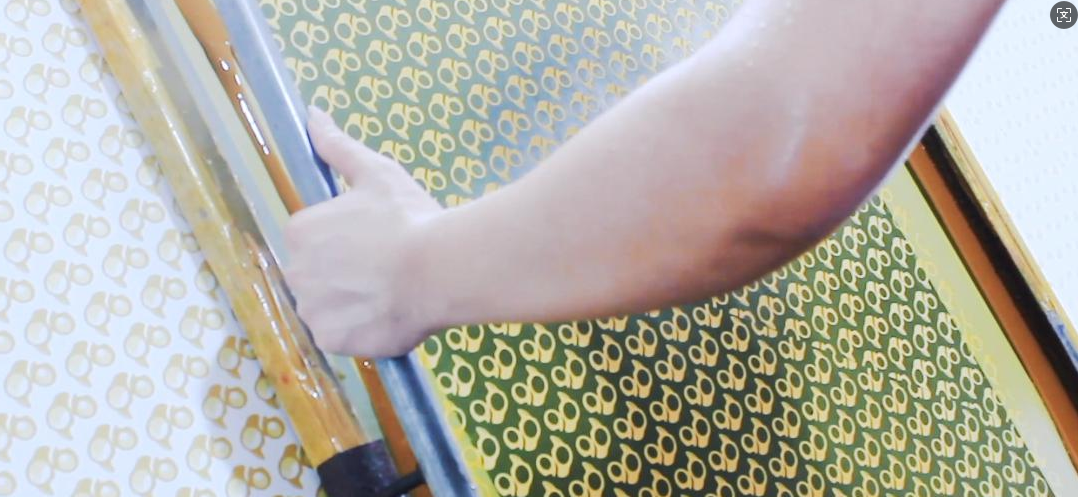
Digital printing
Key Advantages of the ODM Model
ØReduced Time-to-Market: Skip the lengthy R&D and design phase, often launching products in 1-3 months instead of 6-18 months.
ØLower Initial Investment: The ODM owns the design and tooling, reducing the upfront costs for prototyping and product development.
ØAccess to Expertise: Leverage the manufacturer's deep knowledge of trends, materials, and production optimization without needing a large in-house design team.
ØSimplified Supply Chain: Design, material sourcing, and production are consolidated under a single partner.
ODM vs. OEM: the Partnership
Feature | ODM (Original Design Manufacturer) | OEM (Original Equipment Manufacturer) |
Design Responsibility | Manufacturer provides design concepts, Brand customizes | Brand provides 100% of the design (Tech Packs) |
Time to Market | Very Fast (1–3 months) | Slow (6–18 months) |
Initial Investment | Low to Moderate | High (Prototyping, R&D, Tooling) |
Creative Control | Limited to Branding and minor modification | Full Creative Control |
The Backbone of Production—an Expert Apparel Manufacturer
The apparel manufacturer is the partner who executes the production plan, whether that plan is a full ODM package or a custom (OEM) production run. Their expertise is essential for quality control and efficiency.An effective manufacturer manages the entire seven-step process, from fiber to finished product.
The Apparel Manufacturing Process Flow
1. Design & Fabric Selection: Choosing the correct base materials to ensure compatibility with your custom fabric printing method (e.g., polyester for sublimation).
2. Pattern Making & Grading: Creating the precise blueprints and scaling them for various sizes.
3. Cutting: Using automated or manual methods to cut fabric with minimal waste.
4. Sewing & Assembly: Constructing the garment according to technical specifications.
5. Finishing: Adding details like tags, buttons, trim, and washing.
6. Quality Control: Rigorous inspection to ensure color accuracy, stitching integrity, and adherence to fit standards.
7. Packaging & Logistics: Preparing the final product for shipment to the retailer or customer.
Conclusion: A Strategic Blueprint for Success
By mastering the nuances of custom fabric printing, strategically choosing an ODM manufacturing partner for speed and efficiency, and ensuring a robust apparel manufacturer executes the final build, your brand can move from design concept to market launch with confidence and speed. This integrated approach minimizes risk and maximizes your competitive edge.
Reference:
The Ultimate Guide to Apparel Printing
8 Popular types of shirt printing – Ultimate guide
The Ultimate Guide To Fabric Printing: Everything You Need To Know
What Does ODM Mean? Complete Guide to Original Design Manufacturing
OEM vs ODM: Your Ultimate Guide to Understanding Manufacturing Models
#Custom Fabric Printing, #ODM Manufacturing, #Apparel Manufacturer, #Digital/Screen/Sublimation Printing, #Supply Chain Optimization, #Time-to-Market Acceleration